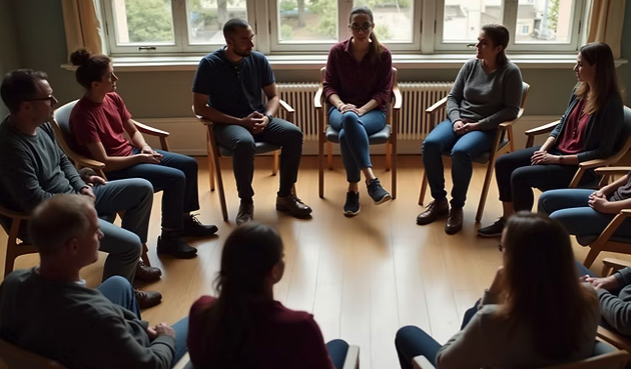
Community Wellness Initiatives for Better Mental Health
These programs offer support, education, and resources right where people live. They help bridge the gap between mental health services and the community. I want to share how these programs work and why they matter so much.

What to Expect from Mental Health Workshops
Mental health is a vital part of our overall well-being. Yet, many people struggle to find affordable and accessible support. That is why mental health workshops have become an important resource. They offer practical tools, education, and community connection. If you are considering attending one, it helps to know what to expect. This post will guide you through the key aspects of mental health workshops and how they can benefit you.

The Impact of Community Wellness Initiatives
Mental health care is a vital part of overall well-being. Yet, many people struggle to find affordable and accessible support. This is where local wellness programs come into play. These programs offer practical solutions that bring mental health resources directly to the community. They create safe spaces, provide education, and foster connections that help individuals thrive emotionally.

What You Need to Know About Trauma…
Overwhelming experiences like emotional abuse, sexual assault, a shooting, or bullying related to your identity can rock your world and leave deep scars. These wounds, known as trauma, can be more damaging and long-lasting than physical injuries related to a traumatic experience, especially those that are related to ongoing events like chronic abuse, neglect, or growing up in an unsafe neighborhood. These experiences aren’t just terrifying, they can also actually change the way parts of your brain work, transforming your response to stress in everyday situations even when you’re completely safe.

Suicide Prevention: Things to Know
Suicide is the second leading cause of death for adolescents and young adults aged 15–24, accounting for more deaths each year than all natural causes combined. In the U.S., an adolescent or young adult dies by suicide approximately every hour and a half, and for every death by suicide, there are 15–25 times as many suicide attempts.